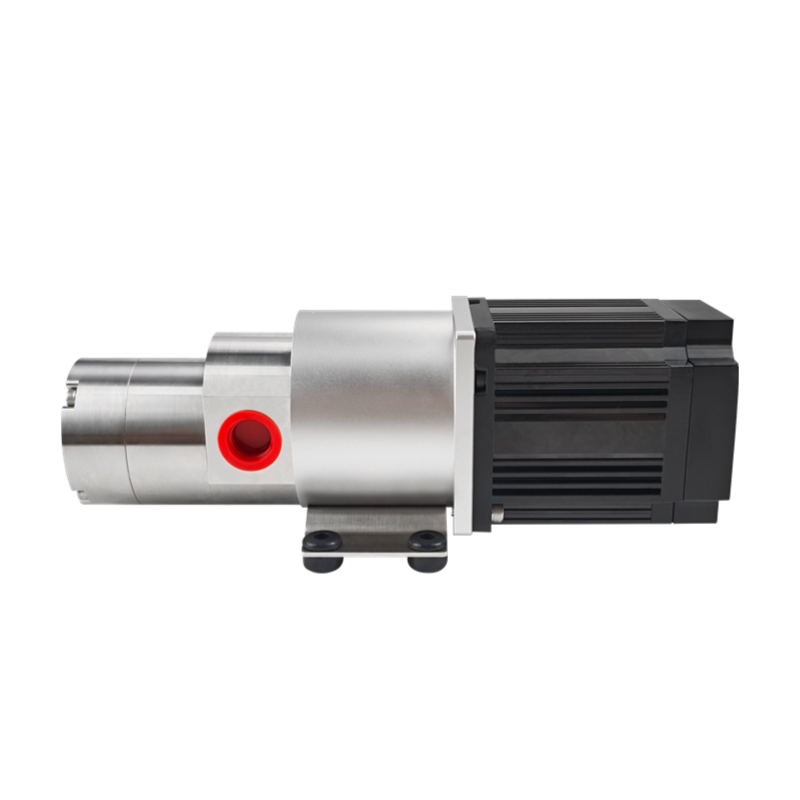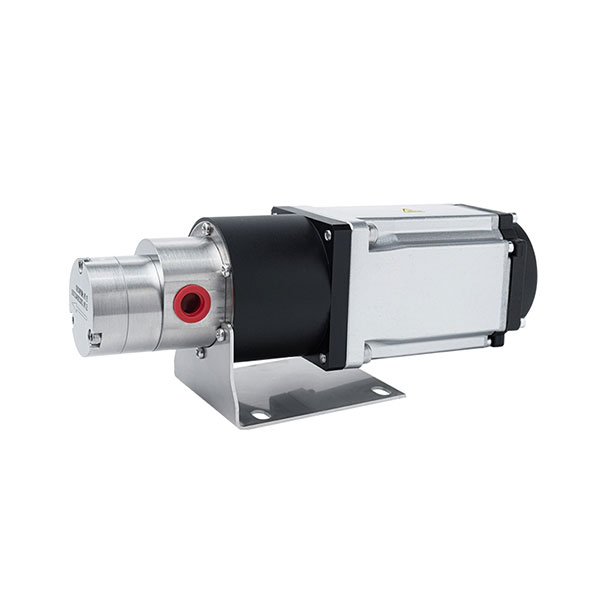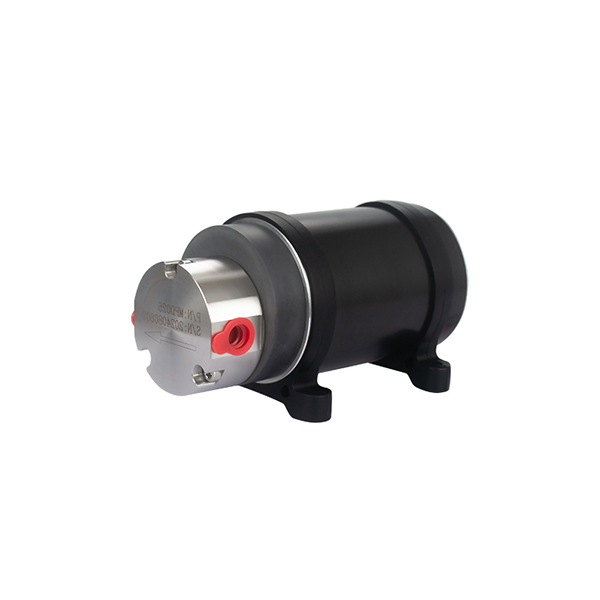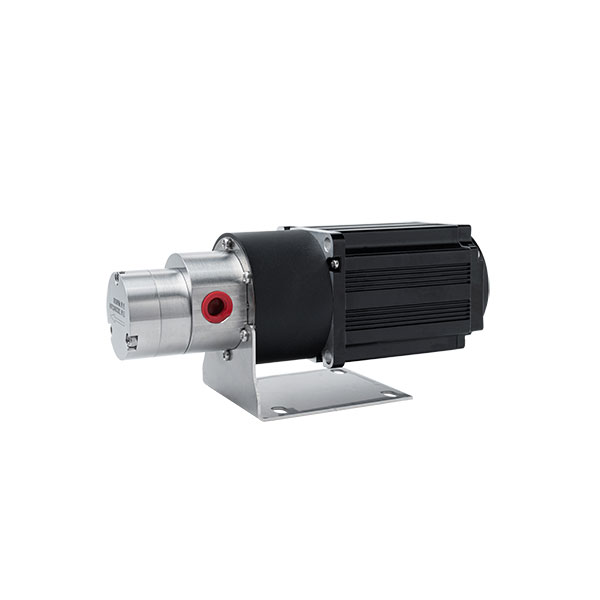
In industrial fluid transfer, choosing the right pump technology impacts safety, efficiency, and maintenance costs. Two leading solutions are magnetic drive pumps and mechanical seal pumps. Both prevent leakage, but they differ greatly in performance and reliability. This blog compares magnetic coupling and mechanical seals, highlighting their pros, cons, helping you select the best option for pumps.
What Is Magnetic Coupling?
Magnetic coupling is a non-contact torque transmission technology used to connect a motor and a pump. It uses the magnetic field between inner and outer magnets to transfer motion without direct contact. A typical magnetic coupling in pump applications includes:
- Inner Magnet: Connected to the impeller or pump shaft.
- Outer Magnet: Connected to the motor shaft.
- Containment Shell: A sealed barrier between the inner and outer magnets, preventing fluid from leaking out.
This design enables a hermetically sealed system that eliminates the need for shaft penetration, thus ensuring a leak-free operation.
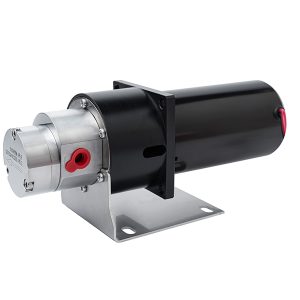
Pros of Magnetic Coupling
- No Leaks: The biggest advantage is its seal-less design. Since there’s no shaft penetration, there’s no pathway for fluid leakage. This makes magnetic drive pumps ideal for corrosive, toxic, or hazardous liquids.
- Low Maintenance: With no contact between the moving parts, wear is minimized. Maintenance frequency and cost are significantly reduced compared to mechanically sealed pumps.
- Reliable in Harsh Conditions: Magnetic couplings can withstand high pressures and extreme temperatures, making them suitable for demanding environments like oil & gas, chemical, and pharmaceutical applications.
- Energy Efficiency: No mechanical friction means lower energy loss during operation. This contributes to long-term operational savings.
- Increased Safety: The fully sealed system reduces the risk of fluid exposure, fire hazards, or environmental contamination—especially when handling flammable or reactive chemicals.
Cons of Magnetic Coupling
- Higher Initial Cost: Magnetic drive pumps are more expensive to manufacture and install compared to traditional pumps with mechanical seals. For budget-sensitive applications, this may seem like a disadvantage.
- Limited Torque Transmission: Magnetic couplings are not ideal for systems requiring extremely high torque. Overloading can cause decoupling and stop the pump.
- Risk of Decoupling: If the required torque exceeds the magnetic limit, the inner and outer magnets can slip. This leads to operation failure unless properly managed.
- Repair Complexity: While maintenance is infrequent, repairs or component replacements can be costly due to the specialized structure.
What Are Mechanical Seals?
Mechanical seals are used to prevent leakage at the interface between a rotating shaft and the pump casing. The seal consists of:
- Rotating Seal Face: Attached to the shaft.
- Stationary Seal Face: Mounted to the pump housing.
The two seal faces are pressed together, typically with a spring-loaded mechanism, forming a tight seal that resists leakage even under high-speed or high-pressure conditions.
Pros of Mechanical Seals
- Lower Initial Cost: Mechanical seals are generally cheaper than magnetic couplings and easier to integrate into standard pump designs.
- High Torque Capacity: They can handle high torque loads, making them suitable for large machinery or heavy-duty operations.
- Mature Technology: Mechanical seals have been in use for decades. Their design is well-understood, and spare parts and servicing expertise are widely available.
- Application Flexibility: They work in a variety of systems, from HVAC and water treatment to basic industrial fluid transfer.
Cons of Mechanical Seals
- Frequent Maintenance: Mechanical wear between the seal faces leads to eventual degradation. Regular inspection and replacement are required.
- Leak Potential: Over time, wear or improper installation can cause seal failure and fluid leakage—especially problematic with dangerous or high-value fluids.
- Energy Loss from Friction: The contact between the seal faces generates friction, which reduces energy efficiency and can cause heat buildup. In some systems, additional cooling is necessary.
- Challenging Installation: Proper alignment and precision are key. Incorrect installation can shorten seal life or lead to early failure.
Magnetic Coupling vs. Mechanical Seals: A Comparison
| Factors | Magnetic Coupling | Mechanical Seals |
|---|---|---|
| Leak Prevention | Fully sealed, no leakage | Risk of leakage over time |
| Maintenance | Minimal maintenance required | Frequent checks and replacements needed |
| Initial Cost | Higher | Lower |
| Torque Handling | Limited torque capacity | High torque capable |
| Energy Efficiency | High, due to no friction | Moderate, with losses from friction |
| Durability | Excellent in extreme environments | Wears over time |
| Application Range | Ideal for hazardous or clean systems | Suitable for general industrial uses |
Magnetic drive pumps are most effective in:
- Hazardous Fluid Handling: Ideal for toxic, flammable, or highly corrosive liquids in chemical plants, pharmaceuticals, and battery production.
- High-Purity Processes: Used in industries like semiconductors, food, and medicine where contamination must be avoided.
- Environments with Limited Access: Systems located in remote or hard-to-maintain areas benefit from the reduced maintenance needs.
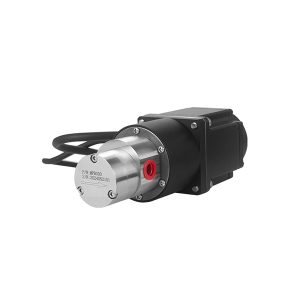
Use Cases for Mechanical Seals
Mechanical seals are preferred in:
- Budget-Limited Projects: For general applications where leak risks are low, and cost savings are a priority.
- Heavy-Load Machinery: Pumps requiring high torque that exceeds magnetic coupling limits.
- Standard Industrial Processes: Water treatment, HVAC systems, and utility processes where sealing reliability is needed, but extreme conditions are not present.
Choosing the Right Sealing Technology
When deciding between magnetic coupling and mechanical seals, consider the following:
- Fluid Type: Magnetic drive pumps are better for toxic, flammable, or reactive liquids that must not leak.
- Operating Conditions: Evaluate pressure, temperature, and torque. Mechanical seals handle torque better; magnetic couplings perform well in severe environments.
- Maintenance Strategy: If your system is in a location where regular maintenance is difficult, magnetic drive pumps offer a clear advantage.
- Budget: Mechanical seals cost less upfront, but magnetic couplings reduce long-term maintenance and potential downtime.
Conclusion
Both magnetic coupling and mechanical seals play vital roles in pump technology, but they serve different needs. Magnetic coupled pumps deliver leak-free operation, long-term reliability, and are ideal for hazardous or high-purity systems. Mechanical seals, while cost-effective and versatile, come with higher maintenance needs and are more prone to leakage over time.
If your application involves dangerous fluids, strict cleanliness requirements, or remote installations, magnetically coupled pumps are often the better investment. By understanding these differences, you can make a smarter decision that ensures safety, efficiency, and longevity in your pump system.